

Why Every Detail Matters in Historic Conservation
When it comes to conserving historic buildings, it is often the smallest details that make the biggest difference. It can be the curve of a hand-carved banister, or the choice of mortar in a centuries-old wall, each element contributes to the authenticity and integrity of the structure.

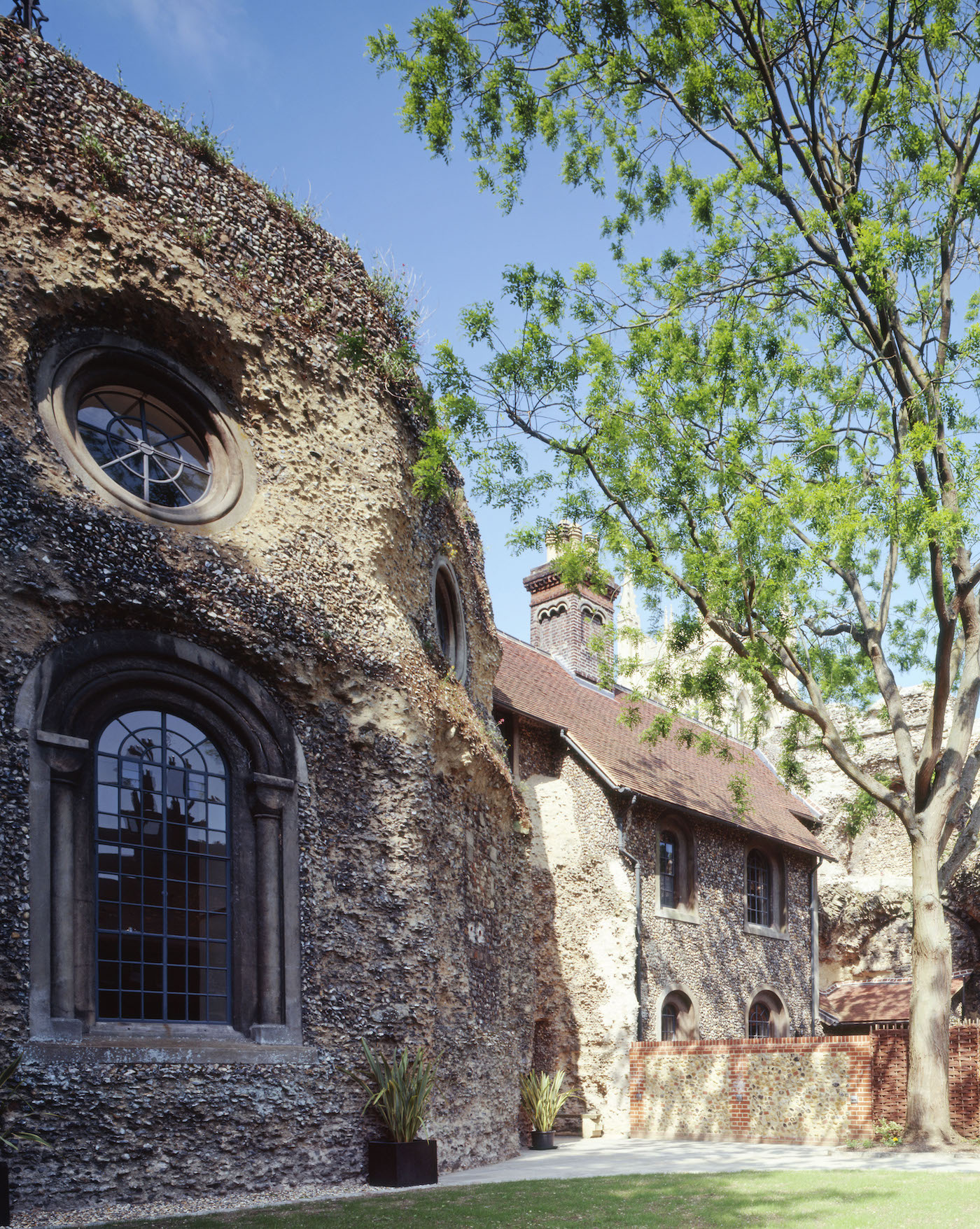
Photos from projects: Colonial Revival the Abbey West Front
Attention to detail safeguards heritage value. Historic England emphasises that understanding the significance of a place is vital, and this includes the fine details that embody its history. These details are not just decorative; they are evidence of craftsmanship, cultural values, and the lived experiences of past generations.
Meticulous restoration supports sustainability. Preserving existing materials reduces the need for new resources, lowering carbon emissions and landfill waste. Many historic buildings were constructed with durable materials that, when properly maintained, can outlast modern alternatives.
Detail enhances community identity. The Institute of Historic Building Conservation notes that design considerations in conservation extend from structural integrity down to fittings like ironmongery. These details help maintain the character of towns and villages, strengthening local identity and pride.
For us, this philosophy is central: like when we worked on restoring Ipswich’s Great White Horse Hotel or our work in conserving ecclesiastical buildings, the smallest interventions are treated with the same respect as grand architectural gestures.
Getting the right consents. Any work on a listed building requires Listed Building Consent from the local planning authority. This ensures that changes respect the building’s historic character. NJ Architects can assist clients at every stage (from preparing applications to liaising with conservation officers), ensuring that even the smallest interventions are legally compliant and carefully considered.
Conservation is not only about saving buildings; it’s also about preserving the stories they tell.