
Balancing Heritage and Sustainability – Can Old Buildings Lead the Way?
Historic buildings are often seen as beautiful but inefficient. Yet, with careful conservation, they can become leaders in sustainability while retaining their heritage value.
Retrofitting historic buildings is essential. In England, over 1 in 5 homes and a third of non-residential properties are more than 100 years old. Retrofitting them for sustainability could generate £35 billion annually for the UK economy. (https://environmentstudycentre.org/retrofitting-historic-buildings-for-sustainability-a-guide)
This process improves energy efficiency while respecting heritage significance.
Practical interventions include:
- Secondary glazing to improve insulation without altering historic windows
- Breathable insulation to reduce heat loss while preventing moisture damage
- Renewable energy integration, such as discreet solar panels, where appropriate
Heritage and sustainability are not opposites. As Architecture Today highlights, projects like Walworth Town Hall in London show how conservation can embrace inclusivity, energy efficiency, and carbon reduction while preserving character.
For NJ Architects, this balance is at the heart of our work. By combining traditional craftsmanship with modern environmental standards, we demonstrate that old buildings can be part of a sustainable future. Conservation is not about freezing history; it’s about adapting it thoughtfully for generations to come.
Getting the right consents. Sustainable upgrades to listed buildings often require Listed Building Consent, particularly where changes affect fabric or appearance. NJ Architects guide clients through this process, balancing heritage requirements with modern environmental standards, so that conservation and sustainability work hand in hand.
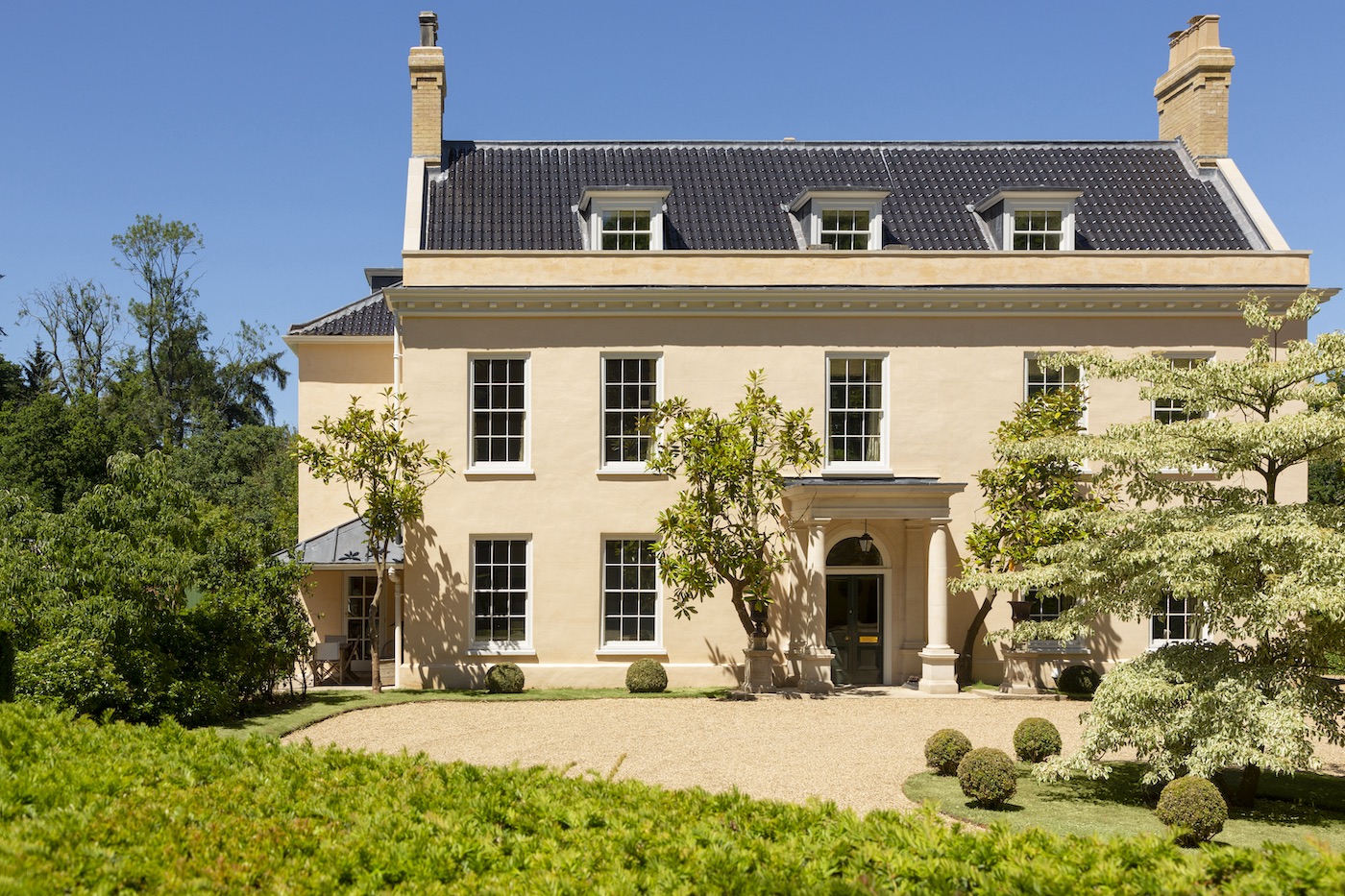
Photo from project: Norfolk fire-damaged house: