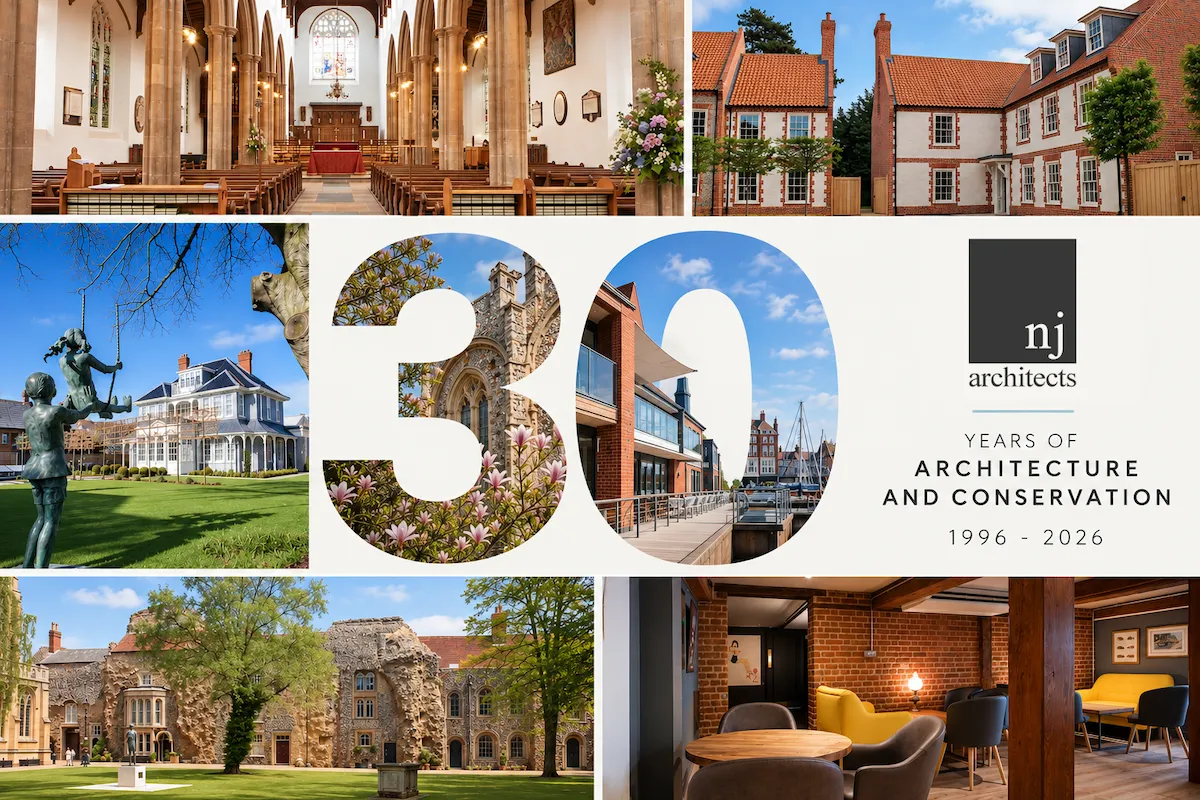
Nicholas Jacob Architects celebrates 30 years of architecture and conservation
Thirty years ago, Nicholas Jacob Architects began life in a house in Ipswich. Today, the practice is based on the town’s waterfront, with a portfolio of architectural and conservation projects that includes some of the UK’s most significant historic buildings.
On Sunday 1st November 2026, Nicholas Jacob Architects celebrated its 30th anniversary, marking three decades of architectural design, conservation and finding imaginative, practical solutions to complex building challenges.
The practice was established by Nick Jacob in 1996, although its roots go back further. Nick, Hugh and Shaun had already been working together, developing a shared approach to architecture and a particular interest in historic buildings.
Initially operating from Nick’s home in Ipswich, the practice subsequently moved to offices in Berners Street before settling into its present home overlooking the waterfront.
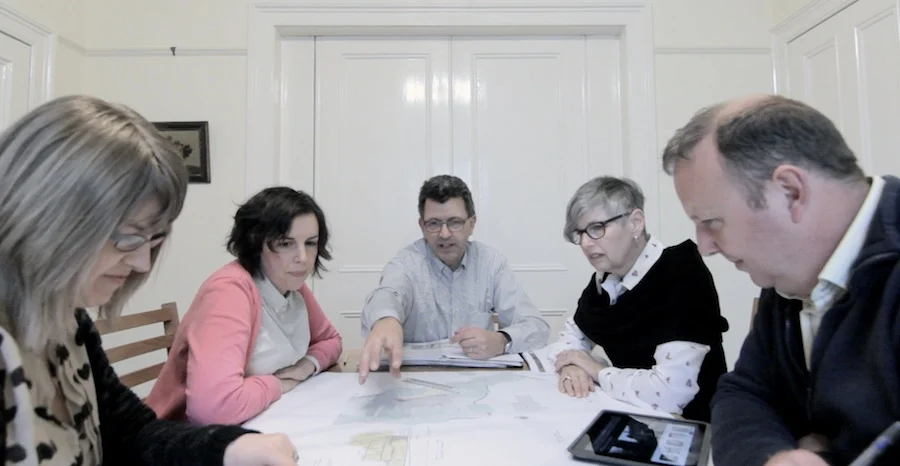
Much has changed in those thirty years, including the buildings they’ve worked on, the people involved and the technology used to design and document projects. Yet the principles behind the practice have remained remarkably consistent.
As partner Shaun explains:
“A large part of our success has been our ability to adapt while retaining the principles on which the practice was founded. We enjoy understanding buildings, solving problems and working closely with clients to find solutions that are both imaginative and practical.”
Thirty years of change in architecture
In 1996, architectural drawings were still largely produced by hand, with computer-aided design beginning to play a greater role.
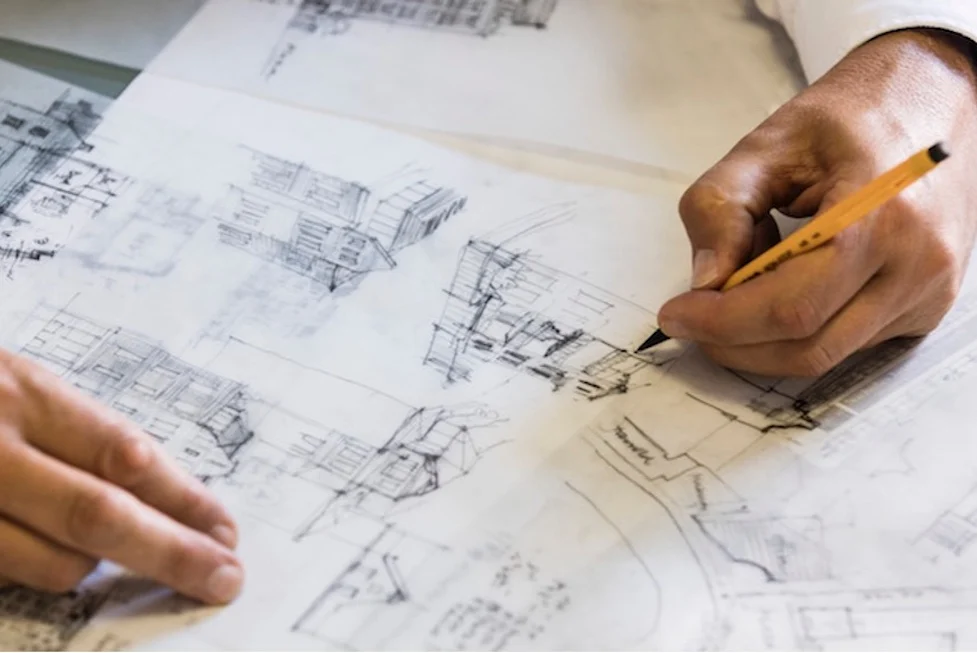

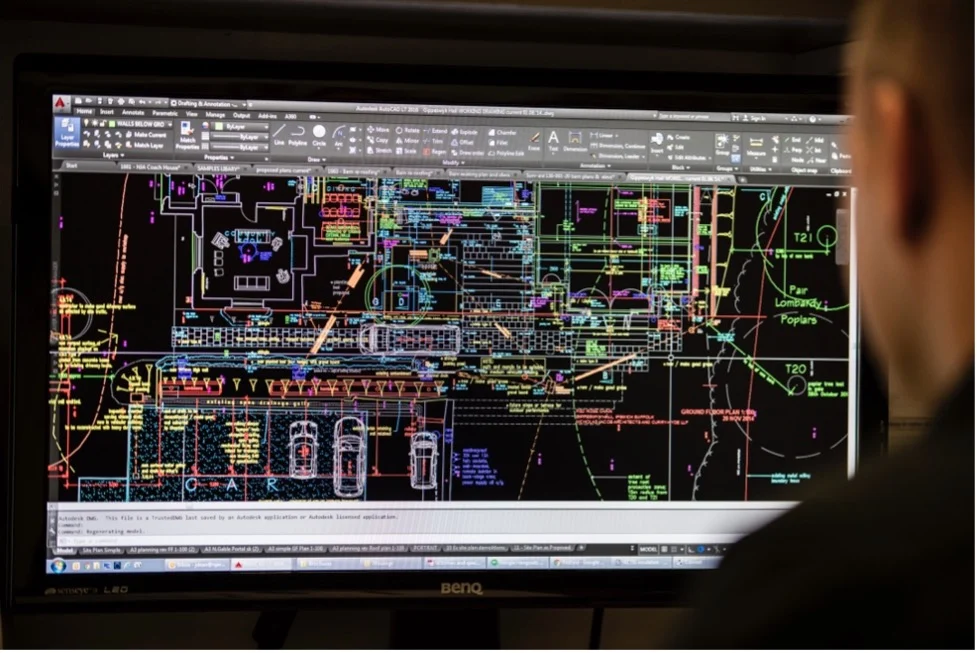
Today, digital design, 3D modelling and increasingly artificial intelligence are changing how architects work and communicate their ideas.
The technology may be very different, but the fundamental process of understanding a client, a building and the possibilities it offers remains much the same.
The profession itself has also become considerably more complex. Sustainability, building safety, accessibility and the technical performance of buildings have become increasingly important considerations alongside design, conservation, cost and regulation.
Clients now need their architects to coordinate a wider range of specialist expertise and help them make informed decisions throughout the design and construction process.
For NJA, adapting to these changes has been an important part of the practice’s development, without losing sight of the principles that have guided its work since the beginning.
Giving historic buildings a future
Conservation has always been central to NJA’s work, and some of its most notable projects demonstrate the challenges and rewards of working with historic buildings.
Over the past thirty years, the practice has been involved in the repair and reordering of approximately 120 churches across Suffolk and Essex, alongside an extensive range of other historic buildings.
As founder Nick Jacob explains:
“The main thread that has run through the 30 years of NJ Architects is the repair and adaptation of historic buildings of all types to make them fit for purpose and have a viable future.”
That work has included castles, cottages, mills, mansions, town halls, concert halls, ancient monuments and museums, demonstrating the breadth of the practice’s conservation experience.
Among its notable achievements is winning the King of Prussia Gold Medal, awarded annually for an outstanding church conservation project in the UK.
NJA has also acted as conservation architects for the conversion of Buxton Crescent into a five-star spa hotel, and undertaken concept designs for the restoration of the original roof structure in the north-east quarter of the Victoria and Albert Museum in London.


The practice’s portfolio includes the Isaac Lord complex in Ipswich, the Abbey West Front in Bury St Edmunds and Darsham House, each presenting its own architectural and conservation challenges.


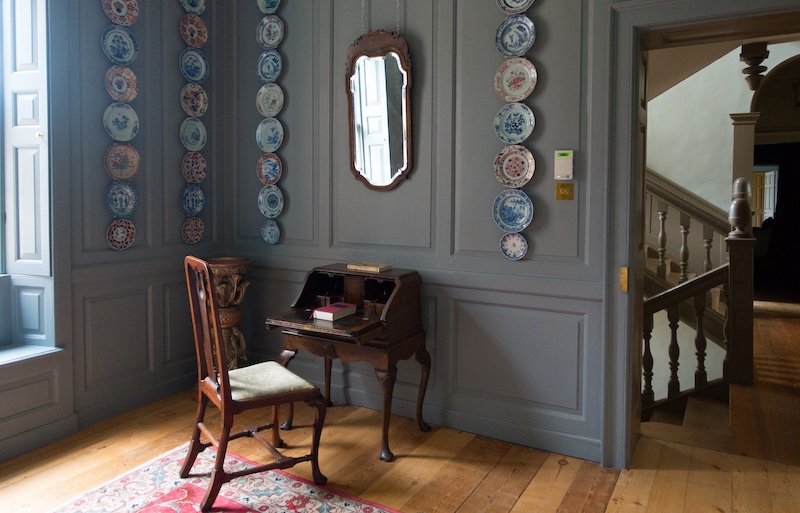
The Abbey West Front is an especially significant project for the practice, with Nick and Hugh closely involved in work that has received recognition for its craftsmanship and conservation.
For Shaun, Darsham House remains a personal favourite, alongside Isaac Lord’s and the Gallery in Ipswich, both situated close to NJA’s present offices.
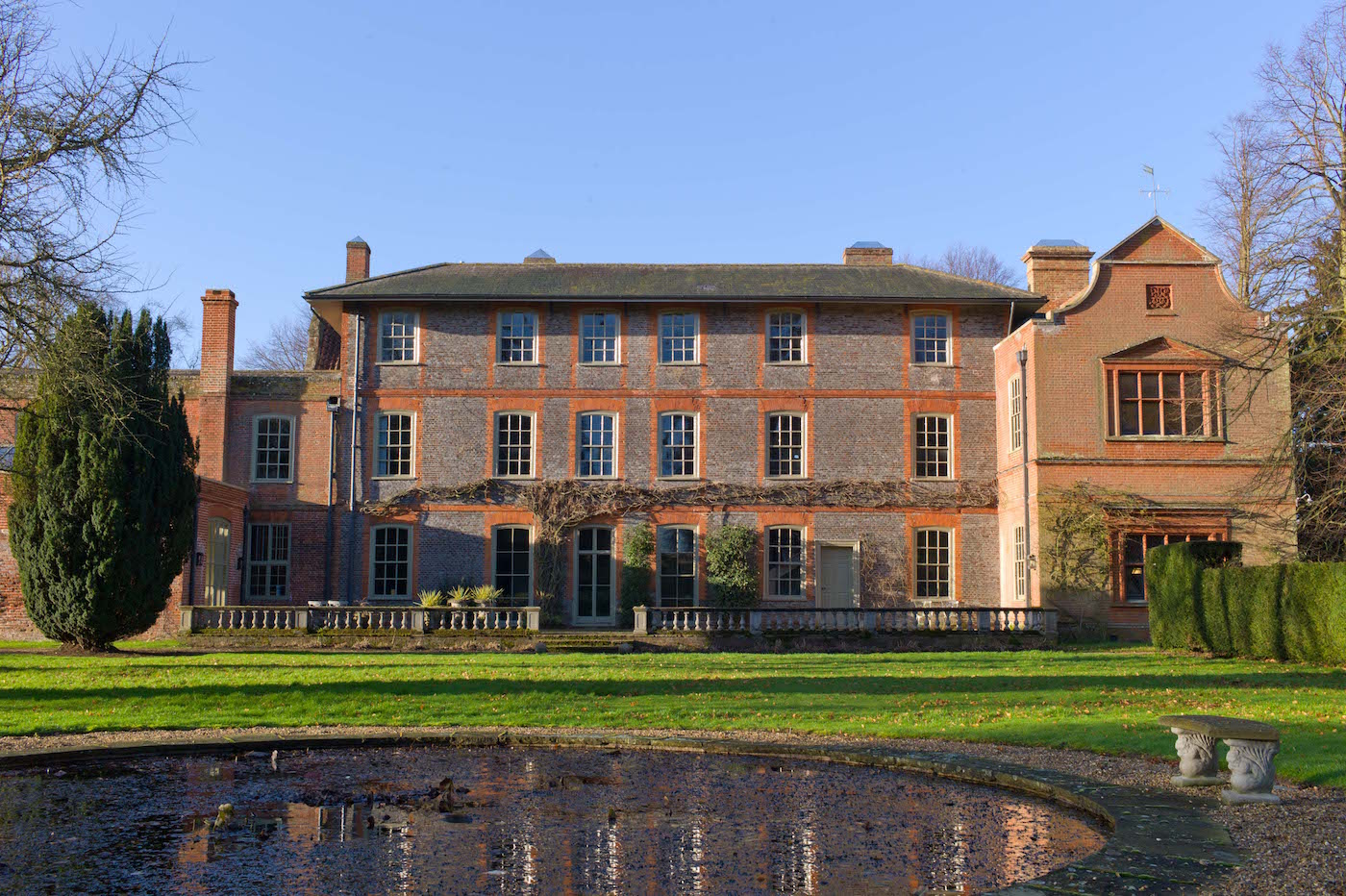


“There’s something rather satisfying about seeing buildings we’ve worked on continuing to be used and enjoyed, particularly when they’re part of the historic townscape we see every day.”
The approach to conservation has also evolved over the past thirty years.
Preserving historic fabric remains essential, but there is now greater emphasis on finding ways for buildings to remain useful, economically sustainable and relevant to contemporary life.
As Shaun puts it:
“The best conservation projects are often those where the intervention isn’t immediately obvious, but the building has been given a viable future.”
It’s an approach that requires an understanding of a building’s history and significance, alongside the practical needs of those who own and use it.
It’s not just the landmark projects
While NJA has worked on some remarkable historic buildings, the practice’s achievements aren’t measured solely by the scale or prominence of its projects.
Its work also includes contemporary architecture, housing developments in challenging settings and community projects.
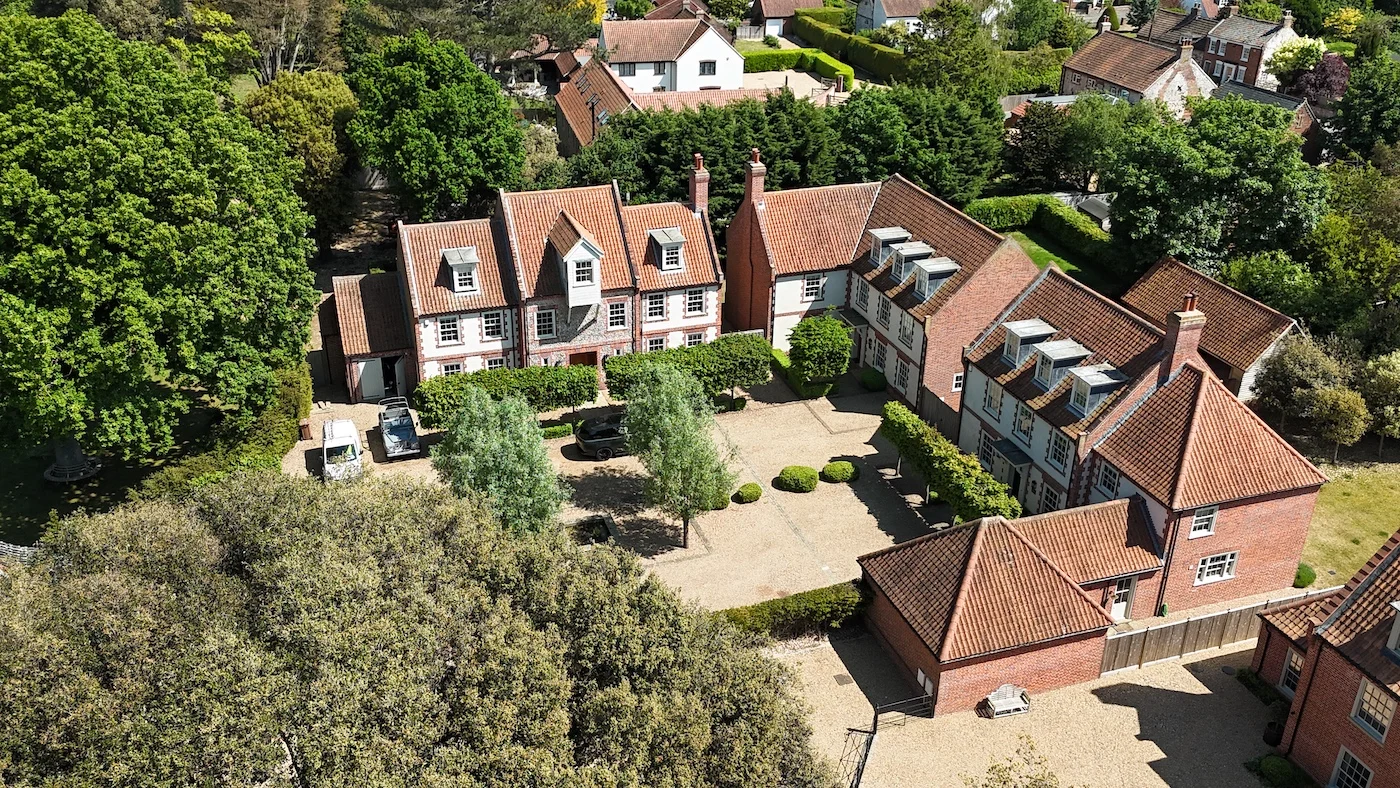
One example is the studio theatre designed for Red Rose Chain, a local not-for-profit theatre company that works with disadvantaged groups in the community.
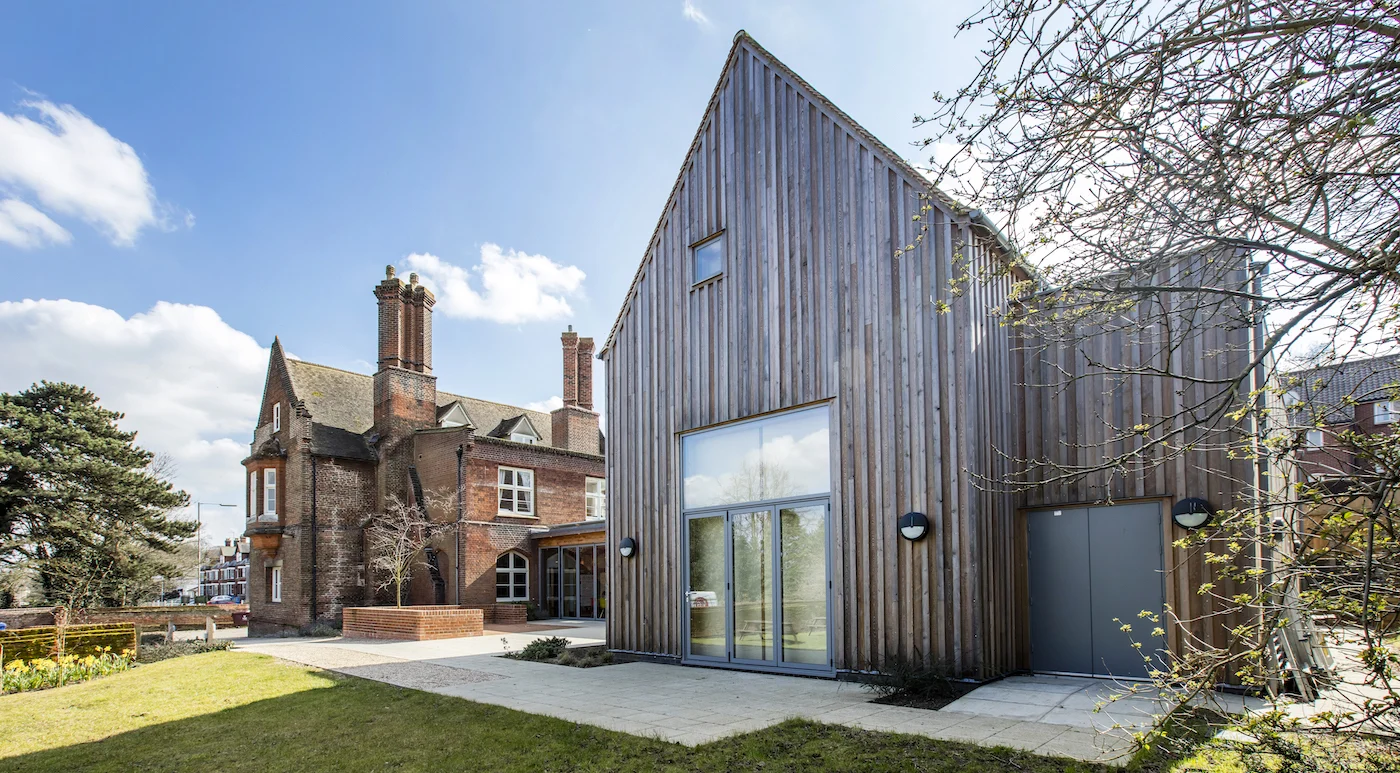
Smaller residential and community projects have been equally rewarding, especially where the team has helped clients achieve something they initially thought might not be possible.
For Shaun, one of the greatest satisfactions comes years after a project has been completed.
“What I find particularly satisfying is revisiting a project years after completion and seeing that it is still working as intended, whether that’s a family home, a community building or an important historic landmark.”
It’s a reminder that successful architecture isn’t simply about how a building looks when a project is finished, but how well it continues to serve its purpose over time.
The people behind the practice
Thirty years of experience also represents a considerable amount of collective knowledge.
Hugh, who has been with NJA since the beginning, is a Consultant Architect with RIBA Conservation accreditation. His experience includes overseeing a wide variety of projects, with a particular interest in creative conservation and finding ways to enhance historic buildings through contemporary interventions.
Other members of the team have also been part of the practice for many years, while newer colleagues have brought fresh ideas, skills and perspectives.


Maintaining that balance between experience and new thinking is something Shaun sees as essential to the practice’s future.
“Architecture is a profession where experience matters enormously, but it also needs fresh thinking. Getting that balance right will be important over the coming years.”
The ambition is to pass on the knowledge and expertise developed over three decades, allowing the practice to continue evolving while retaining its distinctive approach.
Looking ahead to the next thirty years
Reaching thirty years is an opportunity to reflect on the projects, people and relationships that have contributed to NJA’s success. It’s also a chance to look ahead.
The practice continues to work across conservation, residential and commercial architecture, applying its experience to new challenges and changing client needs.
For Shaun, the anniversary is about something more lasting than individual buildings or achievements.
“The real achievement of thirty years isn’t just what we’ve built or restored. It’s creating a practice with the knowledge, experience and people to continue long after those of us who started it.”
And, as he adds, there is certainly no shortage of interesting buildings or challenging projects still to come.
Thirty years on, the tools and techniques may have changed, but the commitment to understanding buildings, finding thoughtful solutions and creating architecture that stands the test of time remains at the heart of Nicholas Jacob Architects.